
The energy of an event, online
Summary
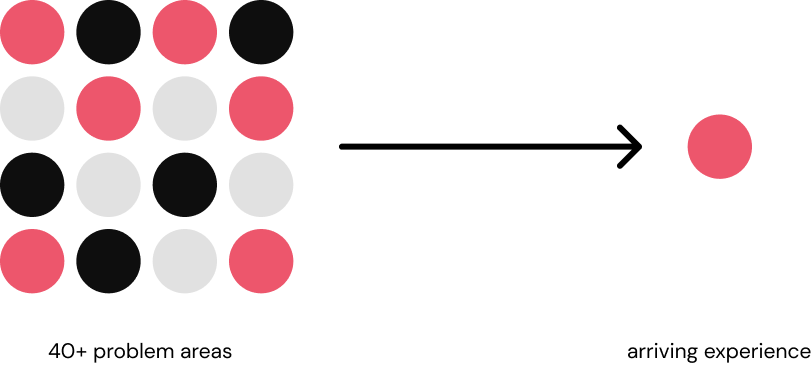
As a team, we went through our current virtual events product and identified every single problem area that we think needed to be solved.
We identified over 40 issues, and then performed multiple exercises with stakeholders to narrow down the selection and rank the top problem areas.
After looking at roadmaps, identifying level of effort vs impact, and discussing with leadership, the virtual attendee arriving experience was selected to be our problem to solve — and we. were. thrilled!
Role
Product designer
Team
Ultraviolet (3 designers)
Timeline
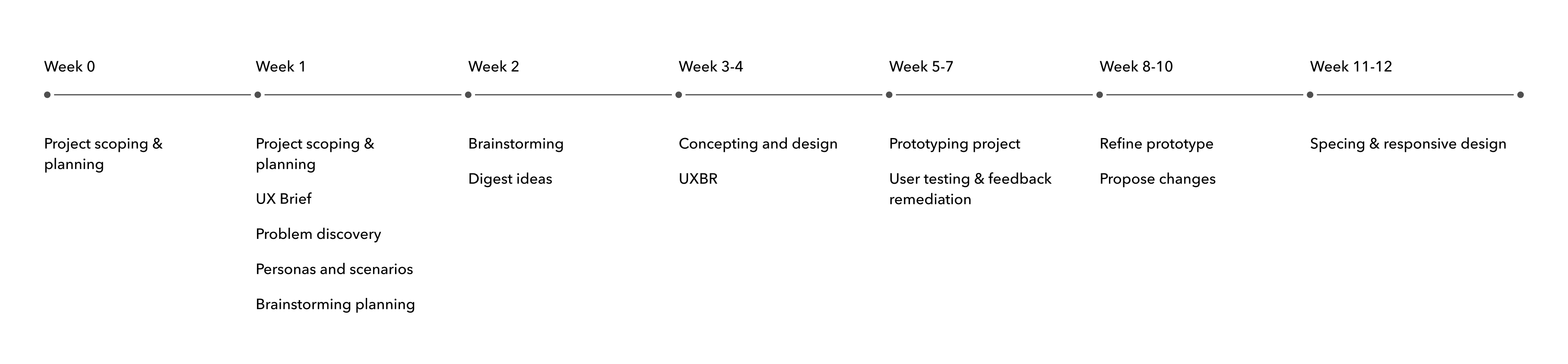
16 weeks
Problem
The COVID-19 pandemic shifted the world into a virtual landscape, and the events industry was no exception. With events going virtual, our product wasn't as inviting or helpful as the in-person experience.
How might we...
1
2
3
Solution
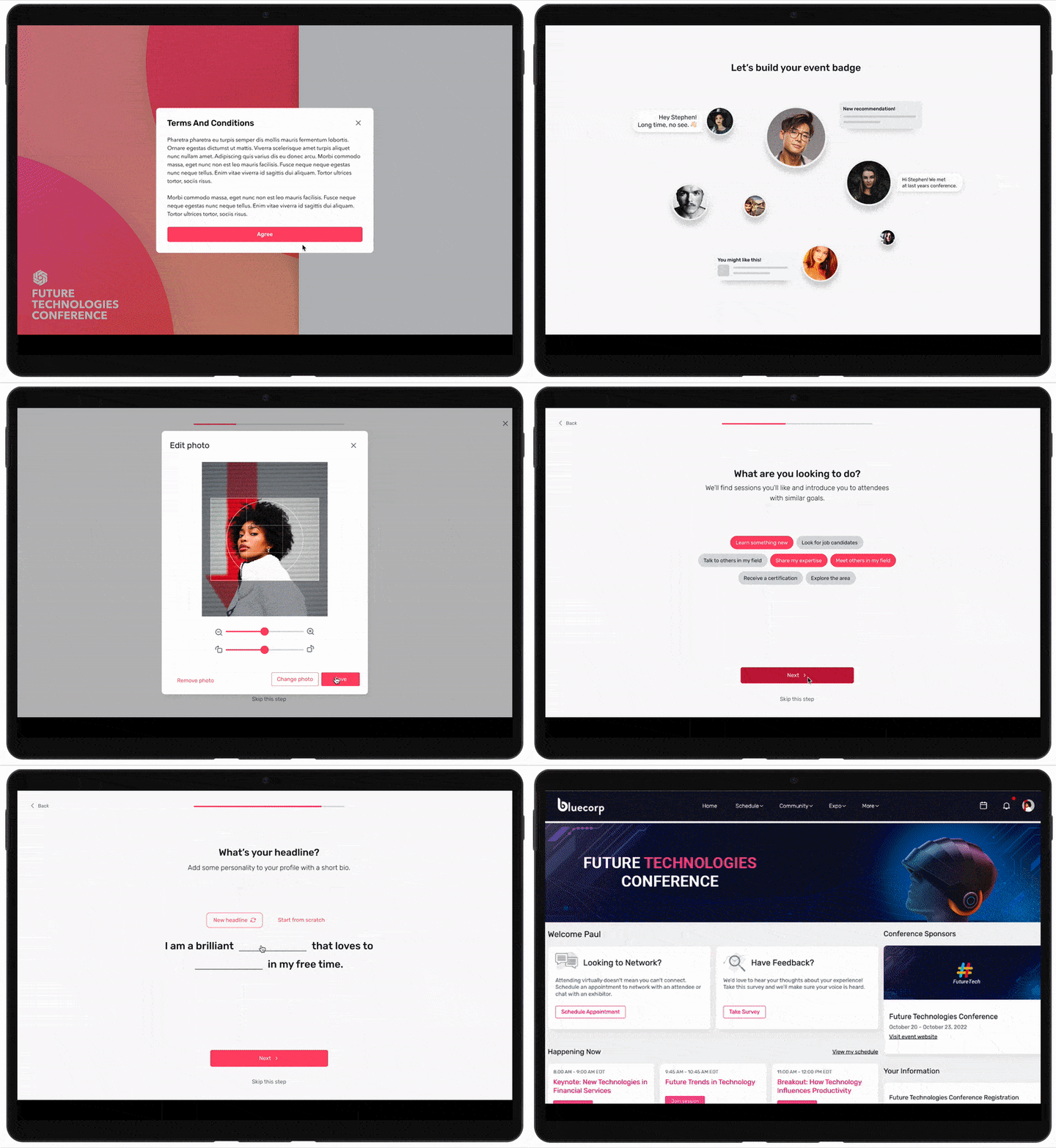
The solution we designed is a multi-step flow to gather information from the users while simultaneously giving them a more colorful, and personalized event experience as soon as they enter the event.
Key Details
- Quick and easy: Users are able to join directly from a pre-configured reminder email through a magic link that takes them right to the onboarding process — bypassing the current username, password, and verification code process
- Excitement and energy: We included lots of animation to bring the experience to life as well as incorporating event branding in the login page and stats of who else is here with you to make the user feel less alone
- Orient and onboard: The user starts in the system with a virtually complete profile, ready to network with others, watch sessions, and more.
So, how did we get to the solution?
Timeline
Research
Using previous research done by our research team around virtual events, who attends them, and the kind of scale they are being produced on, we crafted our virtual attendee persona and mapped out the different scenarios we might find them in
Persona
Goals
- Join the event quickly
- Feel the same excitement and energy of an in-person check-in process
Painpoints
- Forgetting about the event
- I’m bored by the experience and don’t look forward to my events
Scenarios
- Large complex events
- Small external events
- Internal events
Brainstorming
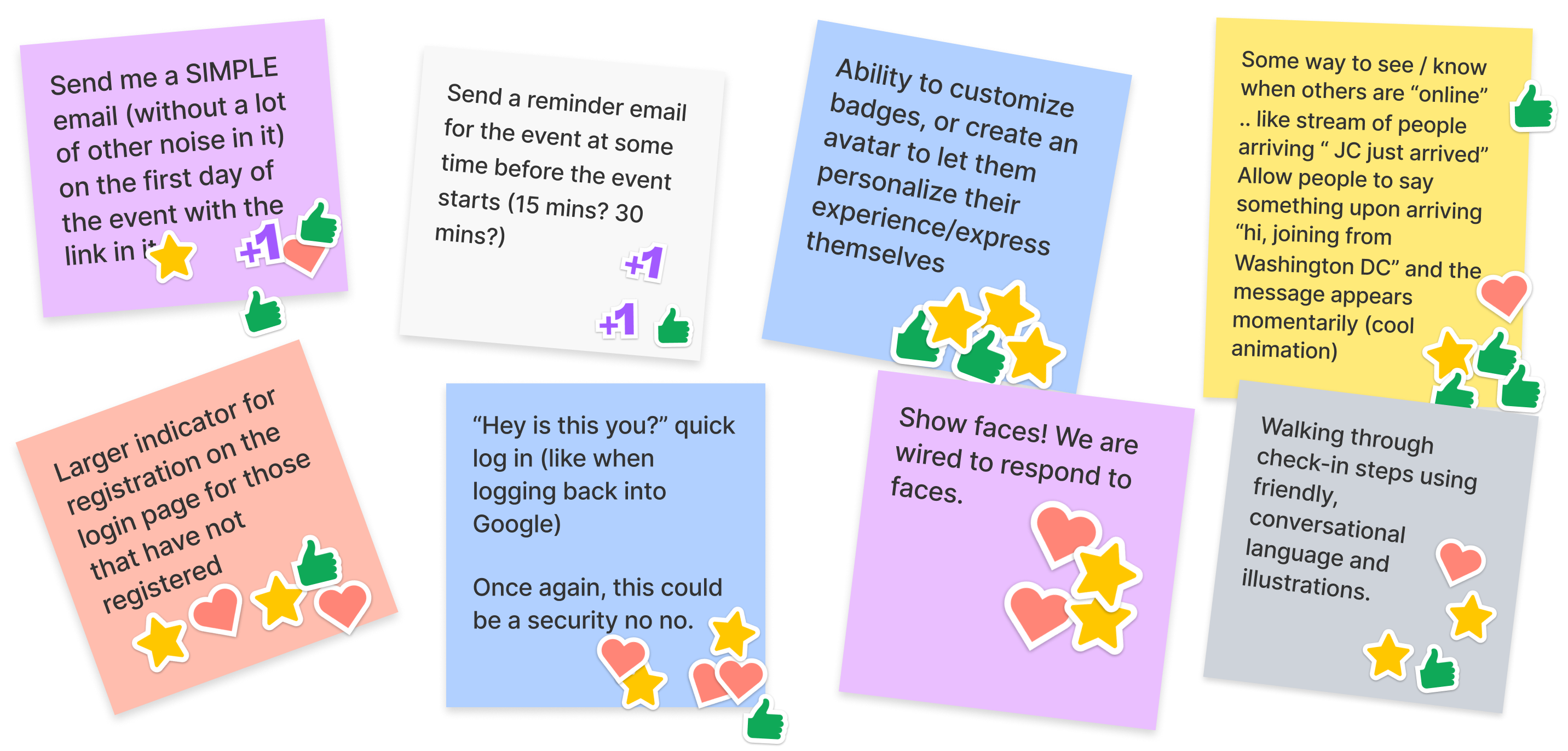
We kicked off our designing with a good old fashioned brainstorming session. We gathered individuals from sales, product, client services, ux, and dev in to a (virtual) room and threw some stickies on a FigJam file split by the different “how might we...” statements we identified at the beginning
Design & Feedback
Iteration 1: Interaction Pattern
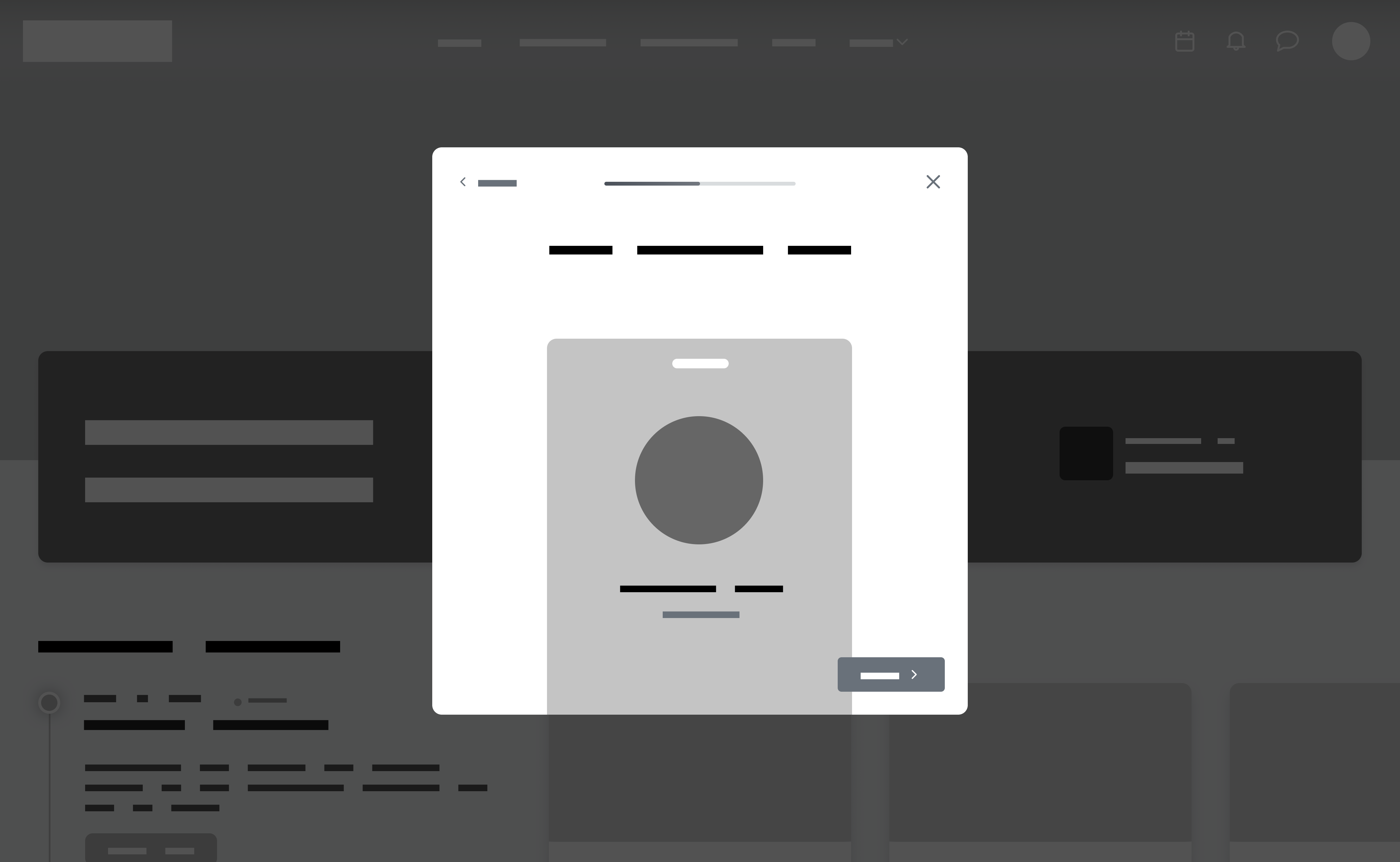
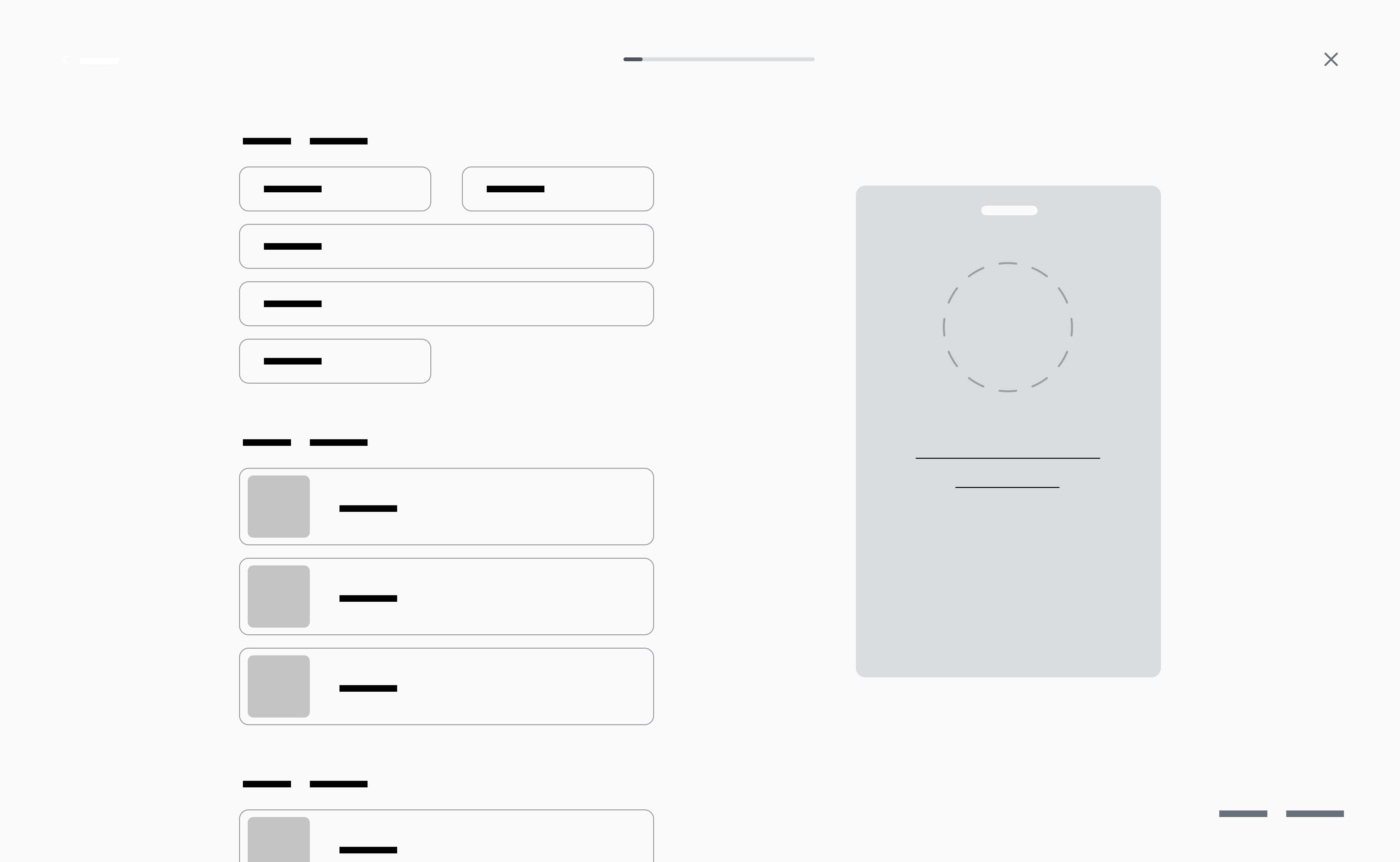
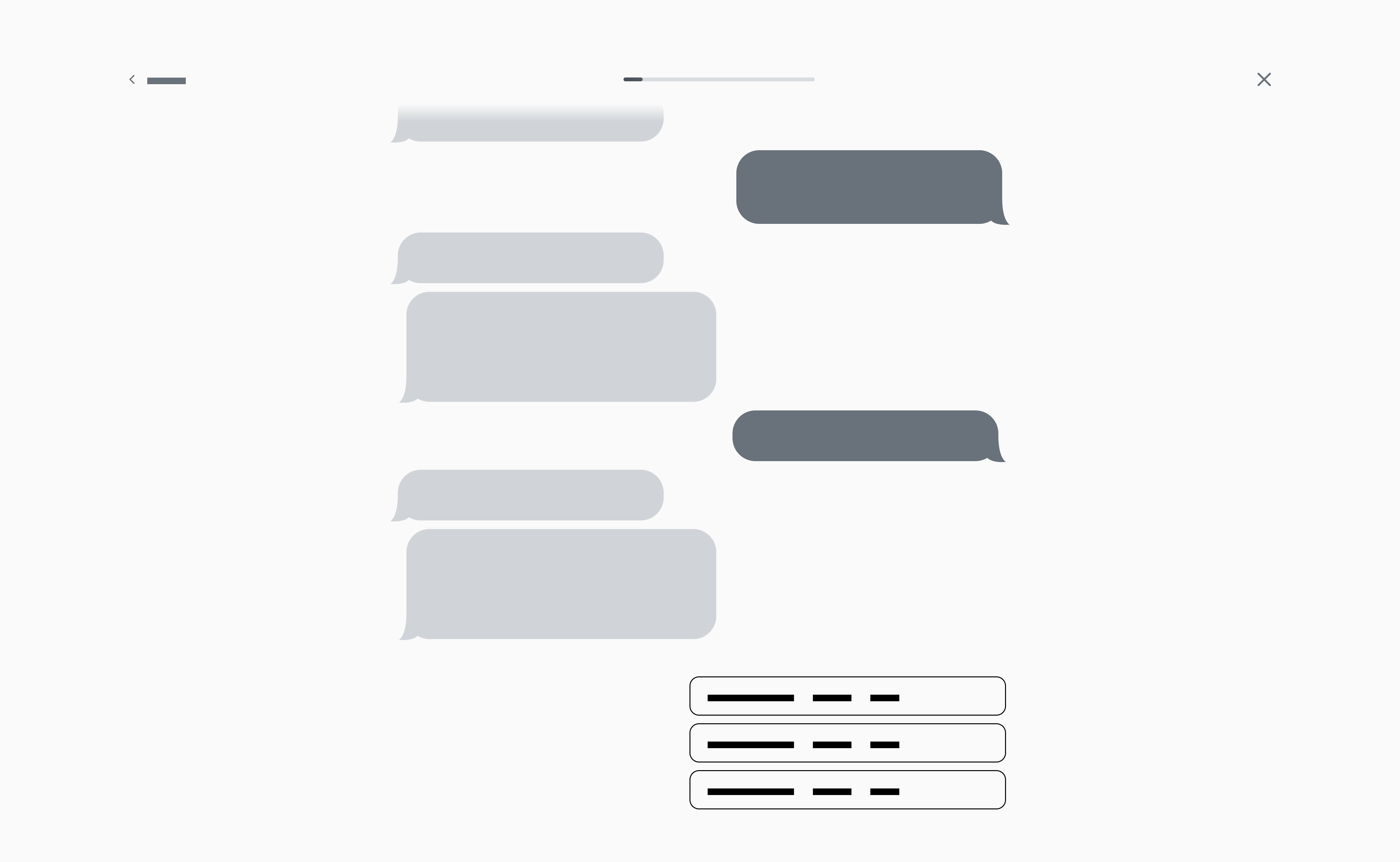
The step by step modal approach (option 1) was the favorite of the bunch because it felt visual, interactive, and lightweight. So we took this a step further.
Iteration 2: Mid-Fi Prototype & Feedback
We decided to move into a full page layout with vertically stacked content to make it feel like more of a grand entrance, while remaining simple and intuitive feeling.
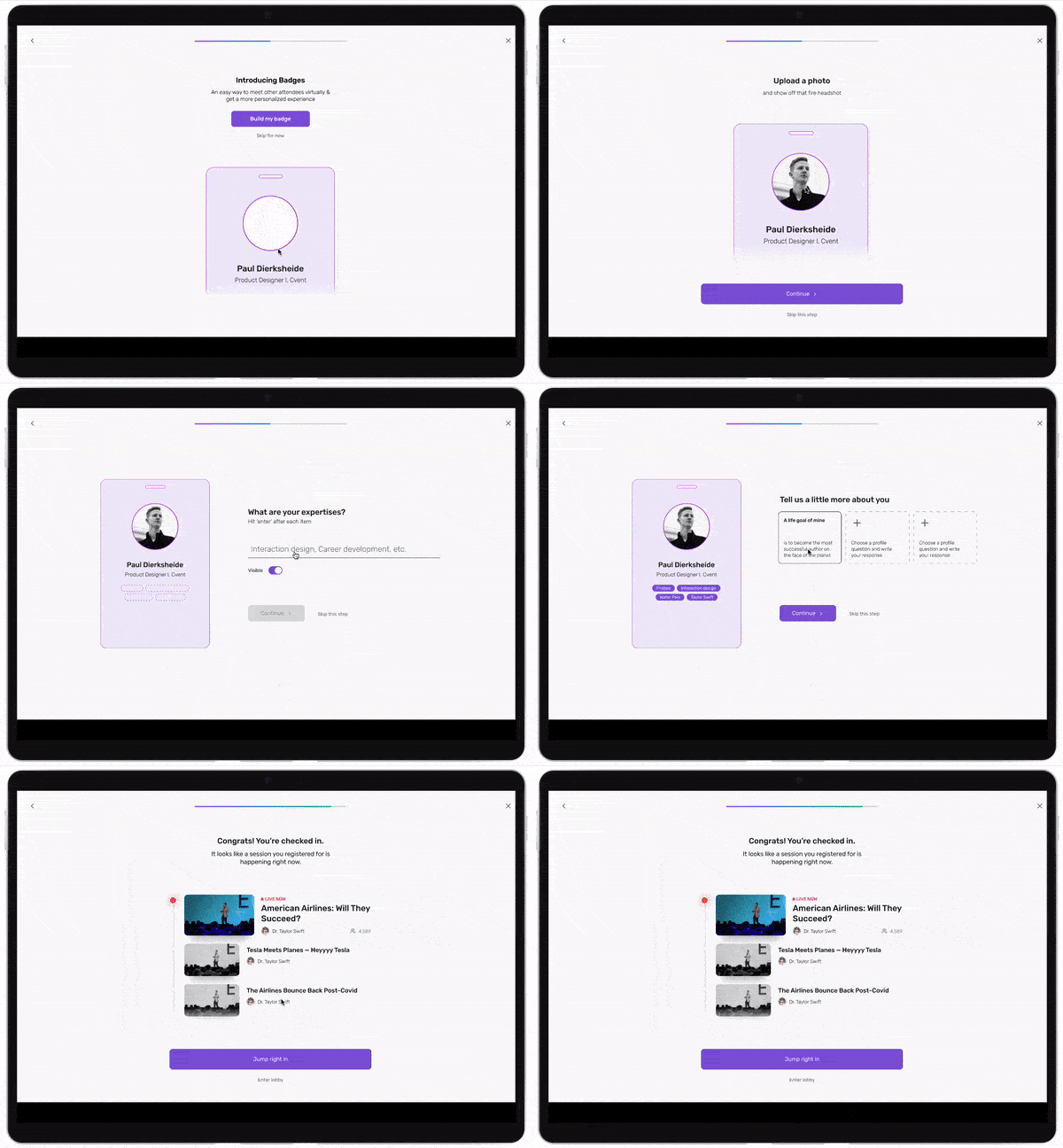
Iteration 3: Mid-Fi Prototype & Feedback
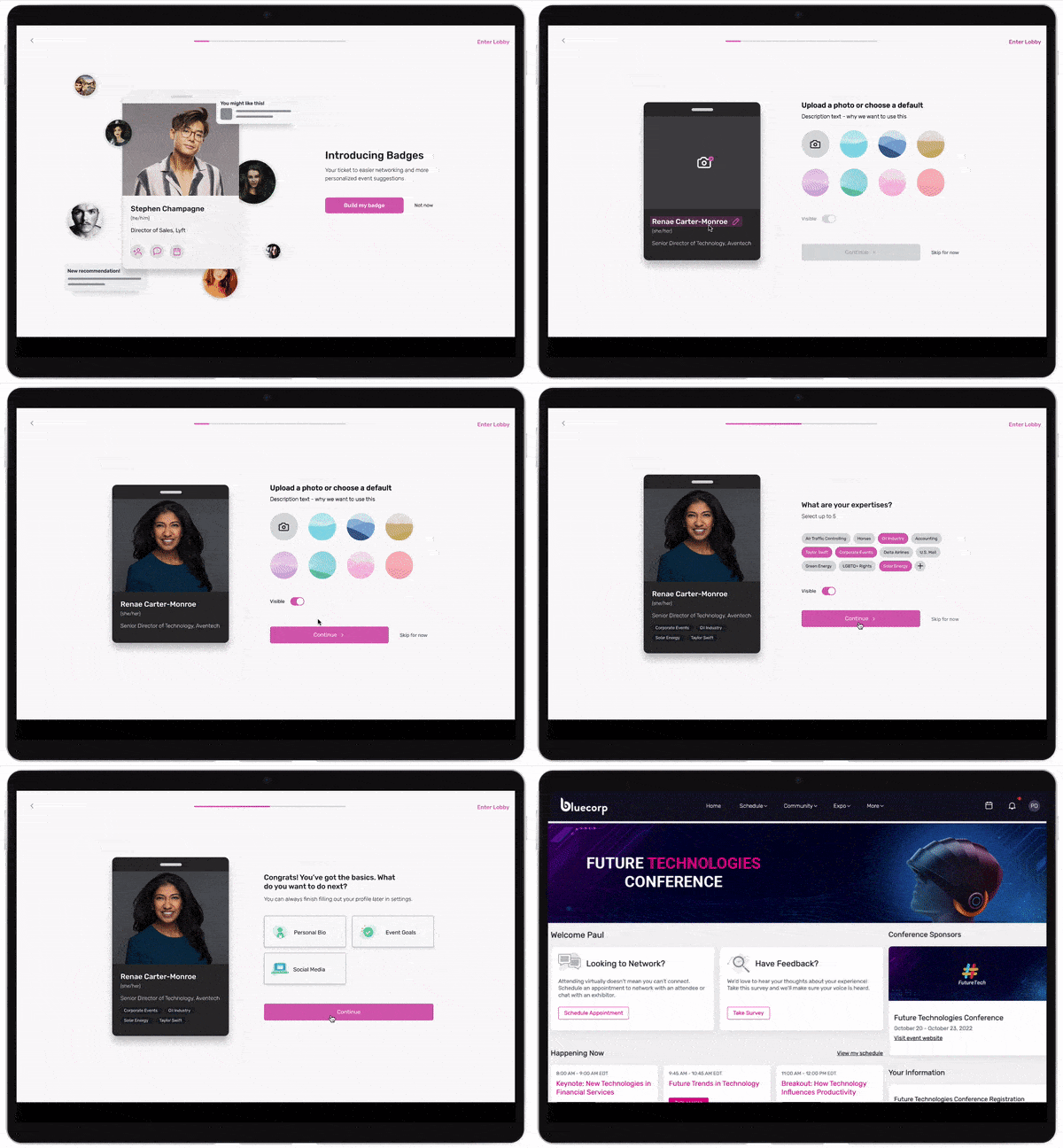
Final Solution
After tailoring our design based on the feedback we had gotten from attendees, planners, and internal usability testers. We ended up with a final experience that we are excited to see incorporated into our virtual events platforms.
